Microsoft Dynamics 365 Finance and Supply Chain Management, commonly known as Dynamics 365 Finance and Operations, connects financial planning, accounting, procurement, manufacturing, inventory, warehousing, projects and asset maintenance across entities and countries. We design, implement, localise and support enterprise ERP across Asia-Pacific.
Enterprise ERP • Multi-Entity • Regional and Global Operations
Connect Finance and Operations Across the Enterprise
Dynamics 365 Finance and Dynamics 365 Supply Chain Management are connected enterprise applications for organisations that need financial control and visibility across their operations.
Dynamics 365 Finance
Financial control, planning and compliance across entities, currencies and countries.
We configure financial structures, supply chain workflows, manufacturing operations and project accounting around each organisation's operating model and regional requirements.
Financial Management
Consistent accounting, controls and reporting across business units and legal entities.
Chart of accounts and consolidation
Payables, receivables and fixed assets
Local tax and statutory reporting
Supply Chain and Distribution
Purchasing, receiving, inventory, warehousing and fulfilment under one set of controls.
Procurement, approvals and invoice matching
Inventory, batch and serial tracking
Warehouse, shipment and returns
Manufacturing and Asset Management
Product data, production, quality and equipment maintenance.
Bills of materials, routes and MRP
Production orders and shop-floor control
Quality, costing and maintenance
Project-Based Operations
Project planning, resources and billing connected to financial control.
Budgets, tasks and milestones
Time, expense and project purchasing
Costing, revenue recognition and billing
Selected Finance and Supply Chain Customer Stories
See how multi-entity organisations and manufacturers across Asia-Pacific use Dynamics 365.
Global
Maritime & Ship Management
OSM Thome
A global template supporting more than 300 legal entities and about 1000 users, with multi-currency, intercompany and reporting.
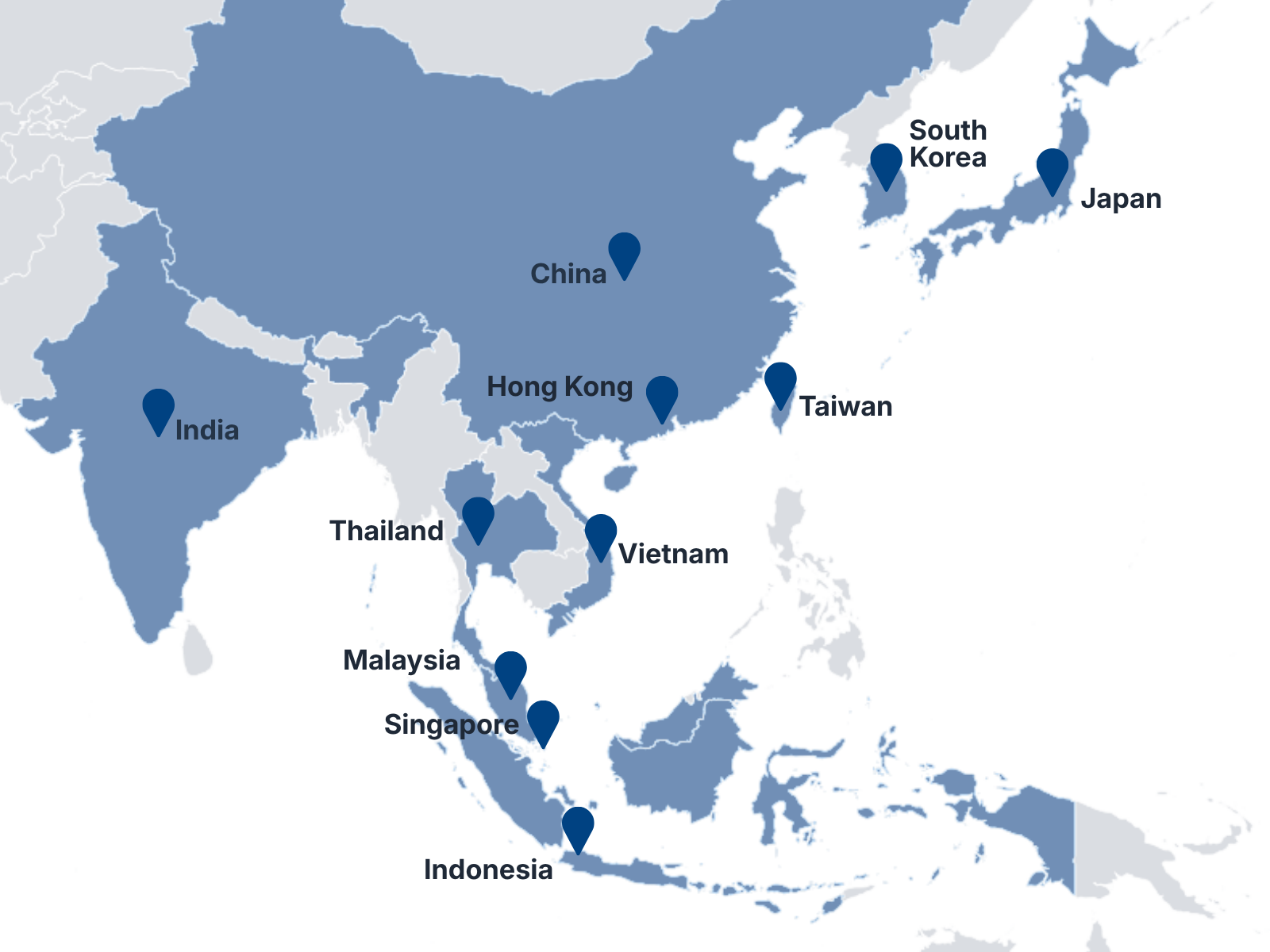
From solution design and data migration to localisation, regional rollout and ongoing application management, we support the complete Dynamics 365 Finance and Supply Chain Management lifecycle from 11 locations.
Singapore • Malaysia • Thailand • Indonesia • Vietnam • Hong Kong • Taiwan • China • India • Japan • South Korea
Frequently Asked Questions
What is the difference between Dynamics 365 Finance and Supply Chain Management?
Dynamics 365 Finance covers financial planning, accounting, cash management and compliance. Dynamics 365 Supply Chain Management covers planning, procurement, manufacturing, inventory, warehousing and asset maintenance. The two applications connect as one platform, and you can start with the one that fits your needs.
Can it handle multiple entities, currencies and countries?
Yes. It supports multi-entity consolidation, multi-currency and intercompany processing, and local tax and statutory reporting. For OSM Thome, we delivered a global template supporting more than 300 legal entities.
Is it the right size for our organisation?
It suits larger or operationally complex organisations, including multi-entity groups, manufacturers and project-based businesses. Growing small and mid-sized organisations often fit Dynamics 365 Business Central better. Temasek Trust moved from Business Central to Dynamics 365 Finance as its needs grew. Our consultants will review your requirements and recommend the best fit.
Does it include AI?
Microsoft supports its finance and operations apps with Copilot and AI agents. PRIME agents, built by 9 Dots, add operational workflows to Microsoft's standard agents.
Can you help us replace or upgrade our current ERP?
Yes. Tell us about your current systems, processes and expected scope, and we will help identify the next step, even if your requirements are still being defined.
Plan Your Finance and Operations Transformation
Fill in the form or email us about your current systems, processes and expected scope. We respond within one business day and will help you identify the next step, even if your requirements are still being defined.